

Dayton Rogers Adds Value for Customers Through Launch of New Website
May 2, 2022 – The Dayton Rogers team is excited to announce that their new corporate website is set to launch the first week of May 2022. The process of designing and developing the new website began in Q4 2021, when Dayton Rogers leadership saw an opportunity to better support
The Red Book at a Glance: Styles of Embossing
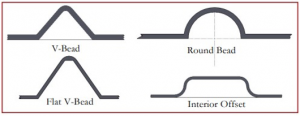
In our last blog, we dove into Chapter 13 of the Metalforming Design Handbook, also known as the “Red Book,” which industry leaders recognize as the go-to manual for precision metal forming practices. Chapter 13 taught us about punched holes. Now, join us as we take a closer look at styles of embossing in Chapter
The Red Book at a Glance: Formed Stamping
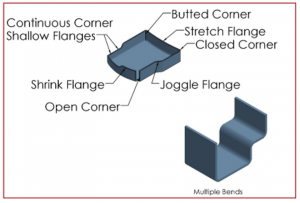
In our last blog, we dove into the sixth chapter of the Metalforming Design Handbook, also known as the “Red Book,” which industry leaders recognize as the go-to manual for precision metal forming practices. Chapter Six taught us about punched holes. Now, join us as we take a closer look at extruded holes in Chapter
The Red Book at a Glance: Punched Holes
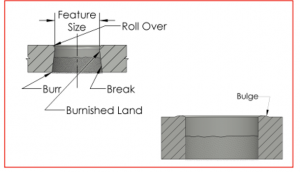
Definition of Punched Holes Identification of these punched holes can provide the basis for determining the inspection parameters. Roll-over is the natural consequence of the punching process, the mechanical properties of the material being punched, and the die application of techniques employed. Specification and Measurement of Punched Holes Dimension feature

The Red Book at a Glance: Piercing Round Holes
In our last blog, we dove into the forth chapter of the Metalforming Design Handbook, also known as the “Red Book,” which industry leaders recognize as the go-to manual for precision metal forming practices. Chapter Four taught us about blank design. Now, join us as we take a closer look at piercing round holes in

The Red Book at a Glance: Blank Design
In our last blog, we dove into the third chapter of the Metalforming Design Handbook, also known as the “Red Book,” which industry leaders recognize as the go-to manual for precision metal forming practices. Chapter Three taught us about edge conditions. Now, join us as we take a closer look at blank designs in Chapter

The Red Book at a Glance: Edge Conditions
In our last blog, we dove into the second chapter of the Metalforming Design Handbook, also known as the “Red Book,” which industry leaders recognize as the go-to manual for precision metal forming practices. Chapter Two taught us about tolerances and how they vary for Short Run Metal Stampings according to the part’s design.

Dayton Rogers Combats Price Increases in Manufacturing
Think back to a year ago. As the pandemic made its way into the United States and other countries worldwide, consumers were panic buying due to the scarcity of products and fear of the unknown. Today, on the flip side, companies are the ones furiously trying to stock up to

The Red Book at a Glance: Tolerances
In our last blog, we dove into the first chapter of the Metalforming Design Handbook, also known as the “Red Book,” which industry leaders recognize as the go-to manual for precision metal forming practices. Chapter One taught us how to use short-run stampings and compared the process to typical fabrication methods in terms of