
Custom Metal Manufacturing at Dayton Rogers
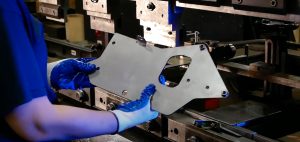
You may be surprised to learn that we go beyond just metal stamping to serve as a one-stop shop for all of your sheet metal forming needs. Here at Dayton Rogers, we pride ourselves on being able to serve our customers with a wide range of custom metal manufacturing solutions
What are Metal Stamping and Fabrication
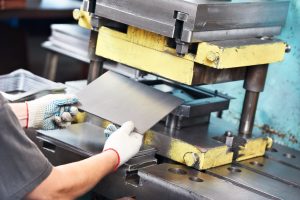
Metal stamping and fabrication are two distinct metalforming techniques used to create all kinds of products imaginable. From commonly used items like washers to high precision aerospace and medical parts, metal stamping and fabrication provide the range to do it all. Depending on your particular project requirements, one metal manufacturing

The Dayton Rogers Difference: Discovery
Collaboration starts during our Discovery phase when not only is our Client learning about Dayton Rogers’ capabilities, superior service, pricing and, quality; but our sales and service team are learning about the needs and drivers for the Client project. Also, as part of this process, if desired, your assigned team
 THE DAYTON ROGERS DIFFERENCE: PIONEERS OF PRECISION METALFORMING
THE DAYTON ROGERS DIFFERENCE: PIONEERS OF PRECISION METALFORMING
Dayton Rogers created the mold when we pioneered the short-run metal stamping process. Since then, we have grown to be a full-service metal stamping and metal fabrication supplier. Trusted by leaders in all industries, we continue to be the go-to metalforming resource for every project with four manufacturing locations in
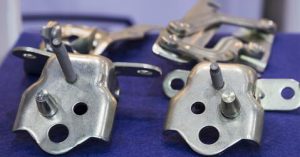
Designing an Economical Blank for Precision Metal Stampings
When designing metal blanks for precision metal stamping, there are a few guidelines to follow for the most economical results. Below, you’ll find some of these guidelines. These are tried-and-true best practices we’ve discovered in our over 90 years of metal stamping. GUIDELINES FOR BLANK DESIGN MINIMUM PRACTICAL SECTION THICKNESS Minimum practical

In The News SEPT 2022
During the last week of August 2022, David Fenske, CEO of Dayton Rogers participated in the Be the Change Golf Tournament to raise funds for programs involving employment for “second chance” individuals. Dayton Rogers is proud of our involvement to train and develop employees at all stages! His interview captured

4 Key Considerations When Designing for Laser Cutting
Lasers are a popular choice for short-run stampings or more precise parts. While lasers in many ways make manufacturing simpler, there are some unique considerations you need to make before designing a part for laser cutting. In addition to production economics, precision, and edge condition, consider these characteristics of laser-produced
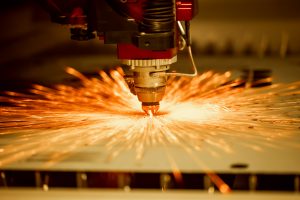
THE RED BOOK AT A GLANCE: LASER CUTTING AND CONSIDERATIONS
In our last blog, we dove into Chapters 27 & 28 of the Metalforming Design Handbook, also known as the “Red Book.” Industry leaders recognize our “Red Book” as the go-to manual for precision metal forming practices. Chapters 27 & 28 taught us about the dimensioning practices for turret press and press brakes.
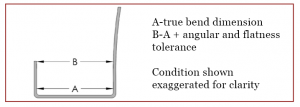
THE RED BOOK AT A GLANCE: DIMENSIONING PRACTICES
In our last blog, we dove into Chapters 25 & 26 of the Metalforming Design Handbook, also known as the “Red Book.” Industry leaders recognize our “Red Book” as the go-to manual for precision metal forming practices. Chapters 25 & 26 taught us about the measurement and limits of burrs and flatness. Now, join